Cape Verde's presence at this World Cup represents one of football's most improbable narratives—a nation of just over half a million people, scattered across ten volcanic islands off the coast of West Africa, competing on sport's grandest stage. Their draw against Uruguay, a two-time World Cup winner with a storied pedigree stretching back to the tournament's inception, has crystallised what many observers had begun to suspect: that this is no mere participation trophy, but a genuine attempt to reshape the small nation's footballing destiny. With qualification for the knockout stages now mathematically possible, Cape Verde stands at a crossroads between historical footnote and legitimate tournament contender. The implications extend far beyond the archipelago itself, speaking to the democratisation of global football and the power of collective ambition to overcome geographical and economic constraints.
The Underdog's Journey to the World Stage
Cape Verde's qualification for this World Cup was itself a minor miracle, achieved through a gruelling African qualifying campaign that demanded consistency, tactical discipline, and an almost defiant refusal to accept their supposed station in world football. The islands have produced talented players before—Nani at Manchester United, Gelson Fernandes at Fiorentina—but never had they coalesced into a national team capable of competing at the highest level. The infrastructure for developing young talent has historically been limited; the domestic league, while passionate, lacks the resources and exposure of established African footballing nations. Yet under their current management structure, Cape Verde identified a pathway: meticulous recruitment of diaspora players, a coherent tactical philosophy, and an almost monastic commitment to team cohesion over individual stardom. Their qualification broke a ceiling that had seemed immovable, suggesting that with the right conditions, even the smallest nations could aspire to the World Cup. This achievement alone has transformed how Cape Verde is perceived within African football, elevating them from perpetual underdogs to a team with genuine structural ambitions.



Drawing with Uruguay: A Statement of Intent
The draw against Uruguay carries symbolic weight that transcends the single point earned. Uruguay arrives at every World Cup as a heavyweight, a nation that has won the tournament twice and reached multiple finals, with a playing tradition rooted in the sport's earliest decades. They possess a winning culture, a tactical sophistication honed across generations, and players accustomed to performing under the most intense scrutiny. For Cape Verde to emerge from that encounter with a result—not a defeat, but a draw—signals something fundamental about their competitive level. It demonstrates that they are not merely present at the tournament but capable of executing a game plan against elite opposition, of defending with organisation, and of creating moments of genuine threat. The result will have been earned through discipline rather than luck, through tactical acuity rather than individual brilliance. This is precisely the kind of performance that builds momentum in tournament football. Other teams will have noted that Cape Verde can be competitive; their own players will have gained confidence from proving they belong at this level. The draw also provides a psychological platform: they have already exceeded many pre-tournament expectations, which paradoxically frees them to play with less pressure in their remaining fixtures.
| # | Team | P | GD | Pts |
|---|---|---|---|---|
| 1 | 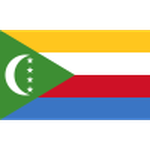 | 6 | +3 | 12 |
| 1 | 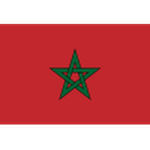 | 6 | +24 | 18 |
| 1 | 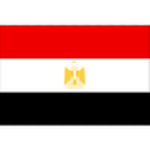 | 6 | +10 | 14 |
| 1 |  | 6 | +6 | 11 |
| 1 | 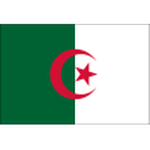 | 6 | +14 | 16 |
| 4 | | 6 | -4 | 4 |
The Path to the Last 32: Realistic Ambition
Qualification for the knockout stages remains a steep climb, but no longer an impossible one. Cape Verde's remaining fixtures will determine whether they can accumulate the points necessary to progress, likely requiring at least one more positive result and possibly two, depending on goal difference and other results in their group. The mathematics are unforgiving—typically, teams need six to nine points to advance from the group stage—but Cape Verde has already demonstrated they can compete. Their tactical approach, built on defensive solidity and disciplined pressing, is well-suited to tournament football where margins are tight and mistakes are punished. If they can secure another draw or, improbably, a victory, the narrative shifts from "impressive participation" to "genuine contenders." The psychological effect of reaching the last 32 would reverberate through Cape Verdean football for a generation, attracting investment, inspiring youth participation, and establishing the national team as a genuine force in African qualifying campaigns. Even if they fall short, the performances they deliver in their remaining matches will have established a new baseline for what the nation can achieve.
Wider Implications for African Football and Beyond
Cape Verde's World Cup campaign speaks to a broader shift in global football's power dynamics. For decades, the sport's narrative has been dominated by established footballing nations with deep resources and long histories of success. Yet the last two decades have witnessed the emergence of smaller nations—Iceland, Panama, Costa Rica—who have proven that tactical intelligence, collective commitment, and smart recruitment can compete with tradition and wealth. Cape Verde's presence at this World Cup, and their competitive performances, suggest that this trend is not a fluke but a structural feature of modern football. The globalisation of player recruitment, the professionalisation of smaller national team programmes, and the increasing sophistication of tactical analysis have levelled the playing field in ways that seemed impossible a generation ago. For African football specifically, Cape Verde's success provides a template: that nations without the population or economic base of Nigeria, Egypt, or Cameroon can still aspire to the World Cup and perform credibly. This has implications for investment in youth development, for the retention of diaspora talent, and for the strategic thinking of smaller federations across the continent.
What Comes Next
As Cape Verde prepares for their remaining group matches, the football world will be watching with genuine interest. Their story has transcended the typical underdog narrative—it is no longer simply about participation, but about the possibility of genuine achievement. Whether they progress to the knockout stages or not, they have already altered perceptions of what is possible for a small island nation. The performances they deliver in their final fixtures will determine whether this World Cup becomes a launching pad for sustained success or a remarkable but isolated achievement. Either way, Cape Verde has announced itself as a force in world football, and that announcement will echo far beyond the tournament itself.


