Morocco's progression to the World Cup quarter-finals, sealed with victory over Canada, arrives as the culmination of a remarkable period of sustained excellence that demands serious recalibration of how the football world views Walid Regragui's side. With 34 matches unbeaten, the Atlas Lions have transcended the narrative of plucky underdogs riding fortune and sentiment into the latter stages of a tournament. This is no longer a story about overachievement or historical novelty—it is the documentation of a genuinely competitive international team that has constructed a foundation capable of challenging the established hierarchy of world football. The implications extend far beyond Morocco's own ambitions; their emergence as legitimate contenders reshapes expectations for African football on the global stage and poses uncomfortable questions about which nations truly belong among the elite.
The Architecture of an Unbeaten Run
Thirty-four matches without defeat represents far more than statistical accumulation; it reflects a deliberate, systematic approach to football that has been refined across multiple competition cycles. This run did not materialise overnight or through the fortune of a favourable draw. Instead, it emerged from Regragui's appointment and his subsequent implementation of a tactical philosophy that prioritises defensive solidity, transition efficiency, and the psychological resilience required to compete against superior-ranked opponents. The unbeaten sequence encompasses World Cup qualifiers against established sides, Africa Cup of Nations fixtures, and friendlies against European opposition—a diverse range of contexts that validates the consistency of Morocco's approach rather than suggesting cherry-picked results against weaker nations.




What distinguishes this run from other impressive streaks in international football is the quality of opposition faced during the sequence. Morocco have not merely avoided elite teams; they have confronted them directly and emerged undefeated. This distinction matters profoundly when assessing whether the unbeaten record reflects genuine competitive strength or a fortunate scheduling circumstance. The breadth of the run across different tournament formats and opponent profiles suggests that Regragui has instilled principles of play that translate across varying contexts—a hallmark of genuinely elite international management.
Tactical Discipline and the Canadian Vindication
| # | Team | P | GD | Pts |
|---|---|---|---|---|
| 1 | | 3 | +5 | 7 |
| 1 | 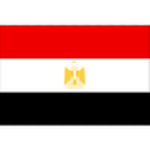 | 3 | +2 | 7 |
| 1 |  | 3 | +4 | 9 |
| 1 |  | 3 | +6 | 7 |
| 1 | 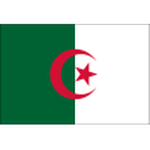 | 3 | +6 | 9 |
The victory over Canada that secured Morocco's quarter-final berth exemplified the tactical maturity that underpins the unbeaten run. Rather than attempting to outplay a physically imposing Canadian side through expansive football, Morocco controlled the match through intelligent positioning, disciplined pressing triggers, and the conversion of limited opportunities into decisive advantage. This pragmatism—the willingness to win ugly when circumstances demand it—separates contenders from pretenders in knockout football.
Canada's elimination, despite their own respectable World Cup campaign, underscores a crucial reality: Morocco possess the tactical intelligence and execution to neutralise teams that might appear more naturally gifted or physically dominant. The Canadian side arrived in Qatar with genuine ambitions and a squad containing players from elite European clubs, yet they could not penetrate Morocco's defensive organisation or generate sufficient attacking threat to trouble Regragui's system. This represents a significant statement about Morocco's competitive level. The manner of the victory—controlled, efficient, and devoid of panic—suggests a team that understands its strengths and executes them with conviction rather than a side hoping to stumble through on defensive luck.
African Football's Moment of Legitimacy
Morocco's progression arrives at a moment when African football has begun to assert itself more forcefully within the global hierarchy, yet the continent's representation in World Cup knockout stages has remained sporadic and often brief. Previous African teams that reached the quarter-finals—Cameroon in 1990, Senegal in 2002, Ghana in 2010—achieved notable breakthroughs, but none arrived with the sustained excellence that Morocco now demonstrate. The unbeaten run signals that this is not a one-tournament phenomenon or the product of a particularly favourable draw, but rather evidence of structural improvement in how African nations can compete at the highest level.
The implications extend beyond Morocco themselves. Their success validates investment in coaching infrastructure, player development pathways, and the tactical sophistication that African federations have increasingly prioritised. If Morocco can sustain this level of performance through a World Cup quarter-final and potentially beyond, it establishes a template that other African nations will study intensely. The narrative shifts from "African team achieves surprising result" to "African team demonstrates sustained competitive excellence"—a fundamental reframing that carries consequences for how the sport's power structures evolve.
The Quarter-Final Gauntlet and Legitimate Contention
Reaching the last eight places Morocco among eight teams still competing for the World Cup, a distinction that automatically elevates them into the conversation about genuine contenders. The unbeaten run provides psychological and tactical confidence as they face opponents who will likely include established European powers or South American heavyweights. Where previous African teams in quarter-finals might have approached such fixtures with the mentality of honourable participants, Morocco arrive with the self-belief that comes from 34 matches without defeat and a clear understanding of their tactical identity.
The quarter-final draw will determine Morocco's path, but regardless of opponent, they enter as a team that has proven capable of competing with and defeating quality opposition. This represents a qualitative shift from fairytale narrative to genuine competitive threat. The unbeaten run is not merely a statistical curiosity; it is evidence of a team that has solved the puzzle of how to compete consistently at the highest level while representing a nation without the historical pedigree or financial resources of traditional World Cup powers.
What Comes Next
As Morocco prepare for their quarter-final fixture, the football world watches not merely to see whether they can progress further, but to assess whether their unbeaten run and tactical discipline can withstand the intensity of knockout football against elite opposition. A semi-final appearance would cement their status as genuine contenders; an earlier exit would not erase the significance of their achievement, but would confirm that a ceiling exists to their current capabilities. Either way, Morocco have already altered the conversation about African football's place in world competition and established themselves as a team that must be taken seriously rather than indulged as a pleasant surprise.


