Ghana's World Cup campaign has been dealt an unexpected and damaging blow before a ball has even been kicked, with midfielder Thomas Partey denied entry to Canada ahead of the nation's opening fixture against Panama in Toronto. The Arsenal midfielder, one of Ghana's most influential players and a cornerstone of their midfield architecture, will now miss what amounts to a must-win encounter in Group H—a development that raises serious questions about Ghana's preparation, border protocols, and the broader vulnerability of African nations navigating international tournament logistics.
The timing could scarcely be worse. World Cup group stages are unforgiving; a loss in the opener, particularly against a side like Panama that Ghana would ordinarily expect to overcome, places immediate and potentially insurmountable pressure on subsequent matches. For a nation that has qualified for five World Cups but never progressed beyond the quarter-finals, every point in the group phase carries existential weight. Partey's absence transforms what should have been a straightforward tactical problem into a genuine crisis of squad depth and contingency planning.
The Partey Problem: Losing a Midfield Lynchpin




Thomas Partey has evolved into far more than a squad rotation option for Ghana; he represents the bridge between the nation's defensive solidity and its creative ambitions in midfield. At Arsenal, he has become accustomed to operating in a high-intensity, possession-dominant environment where his ball-winning instincts, press resistance, and ability to drive forward with purpose are constantly tested against elite opposition. For Ghana, he occupies a similar role—the player tasked with breaking opposition play, recycling possession under pressure, and occasionally unlocking defences with a forward pass or a driving run.

The loss of such a player in a World Cup opener is not merely inconvenient; it fundamentally alters Ghana's tactical options. Without Partey, the midfield becomes lighter, more vulnerable to pressing, and less capable of controlling the tempo of play. Panama, though not a traditional powerhouse, has shown in recent tournaments that they can be tactically disciplined and physically demanding. They will sense an opportunity to exploit a Ghana side operating without one of its most experienced and technically assured midfielders. The ripple effects extend beyond the Panama match; if Ghana's opening performance is compromised, confidence and momentum—intangible but crucial factors in tournament football—will be damaged heading into subsequent group games.
| # | Team | P | GD | Pts |
|---|---|---|---|---|
| 1 | 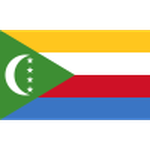 | 6 | +3 | 12 |
| 1 | 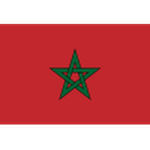 | 6 | +24 | 18 |
| 1 | 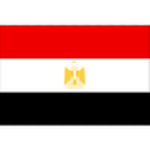 | 6 | +10 | 14 |
| 1 |  | 6 | +6 | 11 |
| 1 |  | 6 | +14 | 16 |
| 4 | | 6 | -4 | 3 |
Border Protocols and Tournament Preparation: A Systemic Failure
The circumstances surrounding Partey's denial of entry remain somewhat opaque, but the incident highlights a recurring vulnerability for international teams: the gap between squad selection and logistical execution. World Cup tournaments operate under strict protocols, and border authorities in host nations are obligated to enforce immigration law regardless of a player's sporting status. However, the fact that Partey—a player with a documented professional career in one of Europe's top leagues, representing a FIFA member nation—was denied entry suggests either a documentation failure on Ghana's part or an unforeseen complication in his travel arrangements.
This is precisely the kind of scenario that professional tournament preparation is designed to prevent. Major federations typically coordinate with host nation authorities weeks in advance, verify visa requirements, and conduct dry runs of travel logistics. That Ghana's federation appears to have been caught off guard raises uncomfortable questions about the depth of their World Cup preparation infrastructure. For a nation with limited resources compared to European and South American powerhouses, such oversights can prove catastrophic. The contrast with better-resourced federations, which employ dedicated logistics teams and legal advisors to navigate these exact scenarios, underscores the structural disadvantages that African nations often face in international competition.
Panama's Unexpected Opportunity and Group H Dynamics
Ghana's misfortune is Panama's unexpected gift. The Central American side enters the tournament as underdogs in virtually every fixture, but facing a Ghana team without Partey fundamentally shifts the calculus of their opening match. Panama has qualified for only two World Cups in their history, and their presence in Qatar represents a significant achievement for a nation of their size and footballing infrastructure. However, they are not a side that typically competes for points against established African nations; Ghana, by contrast, has a deeper pool of World Cup experience and higher expectations.
The absence of Partey narrows that gap considerably. Panama's midfield, built around players accustomed to MLS and Liga Panamá football, will face less resistance in the centre of the pitch. If Ghana's replacement midfielders lack Partey's composure and press resistance, Panama could establish territorial dominance and create chances through sustained pressure. A draw or even a victory for Panama would represent a seismic upset and would fundamentally reshape Group H's dynamics. Suddenly, Ghana's path to the knockout stages becomes far more precarious, and Panama's slim hopes of accumulating points improve materially.
The Broader Context: African Nations and Tournament Vulnerability
This incident sits within a longer pattern of African nations encountering logistical and administrative obstacles at World Cups. Whether through visa complications, travel delays, or equipment issues, teams from the continent have repeatedly found themselves navigating challenges that better-resourced federations rarely face. These are not excuses—ultimately, Ghana's federation bears responsibility for ensuring their squad arrives prepared and complete—but they reflect genuine structural inequalities in how international football operates.
The World Cup, for all its rhetoric of global inclusivity, remains an event where preparation depth, financial resources, and administrative sophistication confer significant advantages. Ghana's inability to navigate a border entry for one of their key players, whether through oversight or circumstance, exemplifies how these advantages compound. A European federation facing an identical situation would likely have contingency protocols, legal representation on standby, and the resources to resolve complications swiftly. Ghana, operating with tighter margins, has instead lost a crucial player at the worst possible moment. The incident serves as a reminder that World Cup success depends not only on tactical acumen and player quality, but on the unglamorous infrastructure of preparation and logistics.
Looking Ahead: Damage Control and Salvage Operations
Ghana now faces an immediate damage-control scenario. Their opening match against Panama becomes a test not of their intended tactical approach, but of their ability to adapt and overcome adversity. The players who do travel to Toronto must demonstrate resilience and focus; allowing Partey's absence to become a psychological distraction would compound the federation's logistical failure with a mental one. Subsequent matches against stronger opposition will demand even greater discipline and cohesion.
The longer-term question is whether Ghana can recover from this setback and still accumulate sufficient points to progress from the group. It remains possible—World Cup group stages are rarely decided by a single match—but the margin for error has narrowed dramatically. Every subsequent fixture now carries heightened importance, and the psychological weight of a difficult opener will linger. For Ghana's federation, the priority must be understanding how this situation arose and ensuring that no further complications derail their campaign. For neutrals, the incident serves as a sobering reminder that World Cup tournaments are decided not only on the pitch, but in the months and weeks of preparation that precede them.


